Updated March 2026
See all Nebraska auto insurance rates →
What Affects Rates in Grand Island
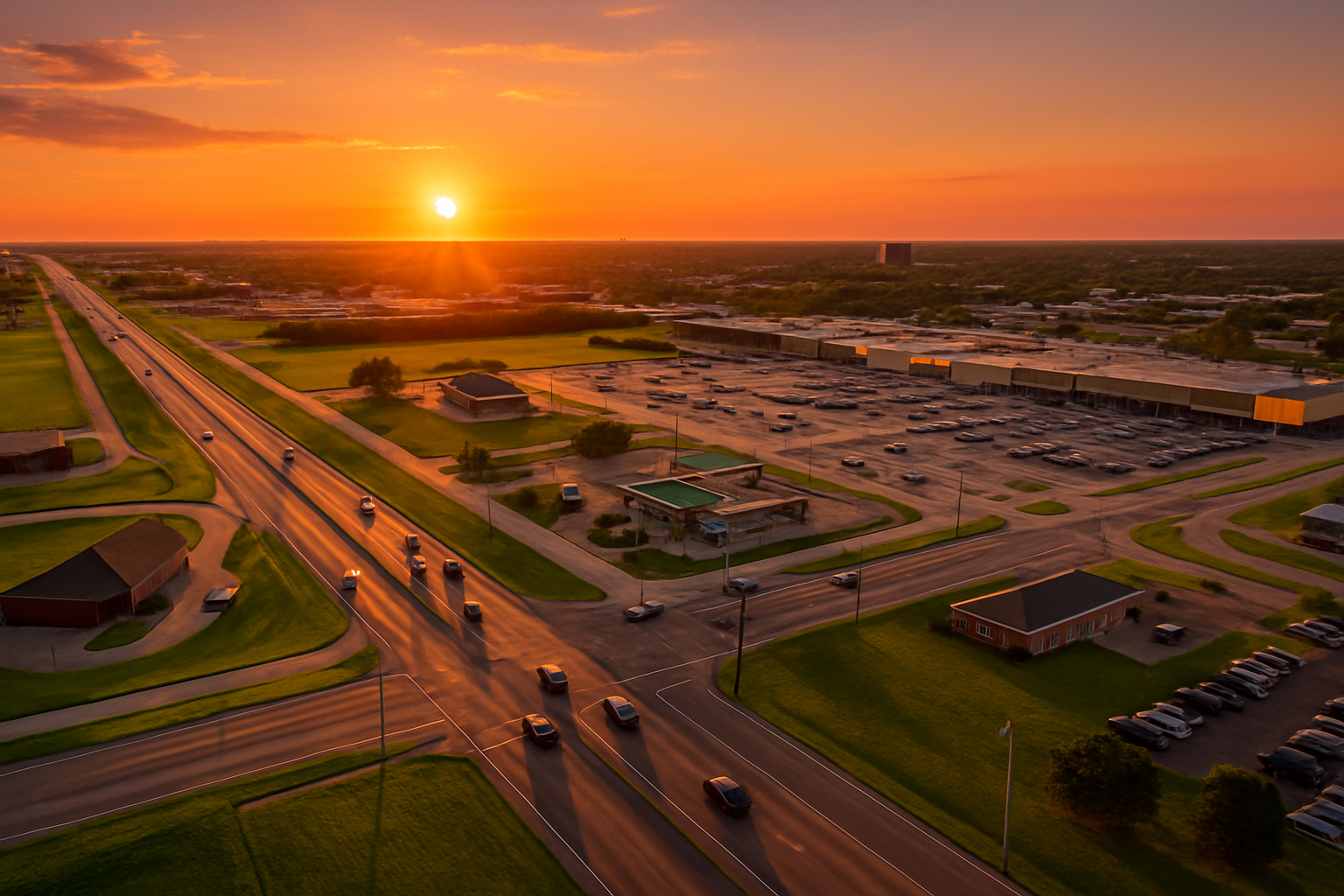
- Highway 281 and US-30 Corridor Traffic: Grand Island sits at the intersection of US-30 and Highway 281, creating elevated exposure for high-risk drivers during commute hours and agricultural transport seasons. Carriers weight accident probability higher for drivers with existing violations who navigate these high-traffic corridors daily.
- Hall County Court SR-22 Processing: Hall County District Court processes DUI and suspension cases with SR-22 requirements filed through the Nebraska DMV. Timely filing from a licensed Nebraska carrier is mandatory—gaps trigger license re-suspension and restart the 3-year clock.
- Rural Collision and Wildlife Risk: Grand Island's position in central Nebraska means frequent deer-vehicle collisions and rural road conditions. High-risk drivers with comprehensive claims or at-fault rural accidents face steeper rate increases than urban-only profiles.
- Uninsured Motorist Density: Nebraska's 25.4% uninsured driver rate—one of the nation's highest—means high-risk drivers in Grand Island face greater exposure to uninsured claims. Carriers price this risk into non-standard policies, particularly for drivers with prior at-fault accidents.
- Winter Weather Driving Conditions: Grand Island experiences severe winter storms with ice and blowing snow across open plains. Drivers with existing violations who add winter weather claims see compounded rate increases, often 40–60% above base high-risk rates.