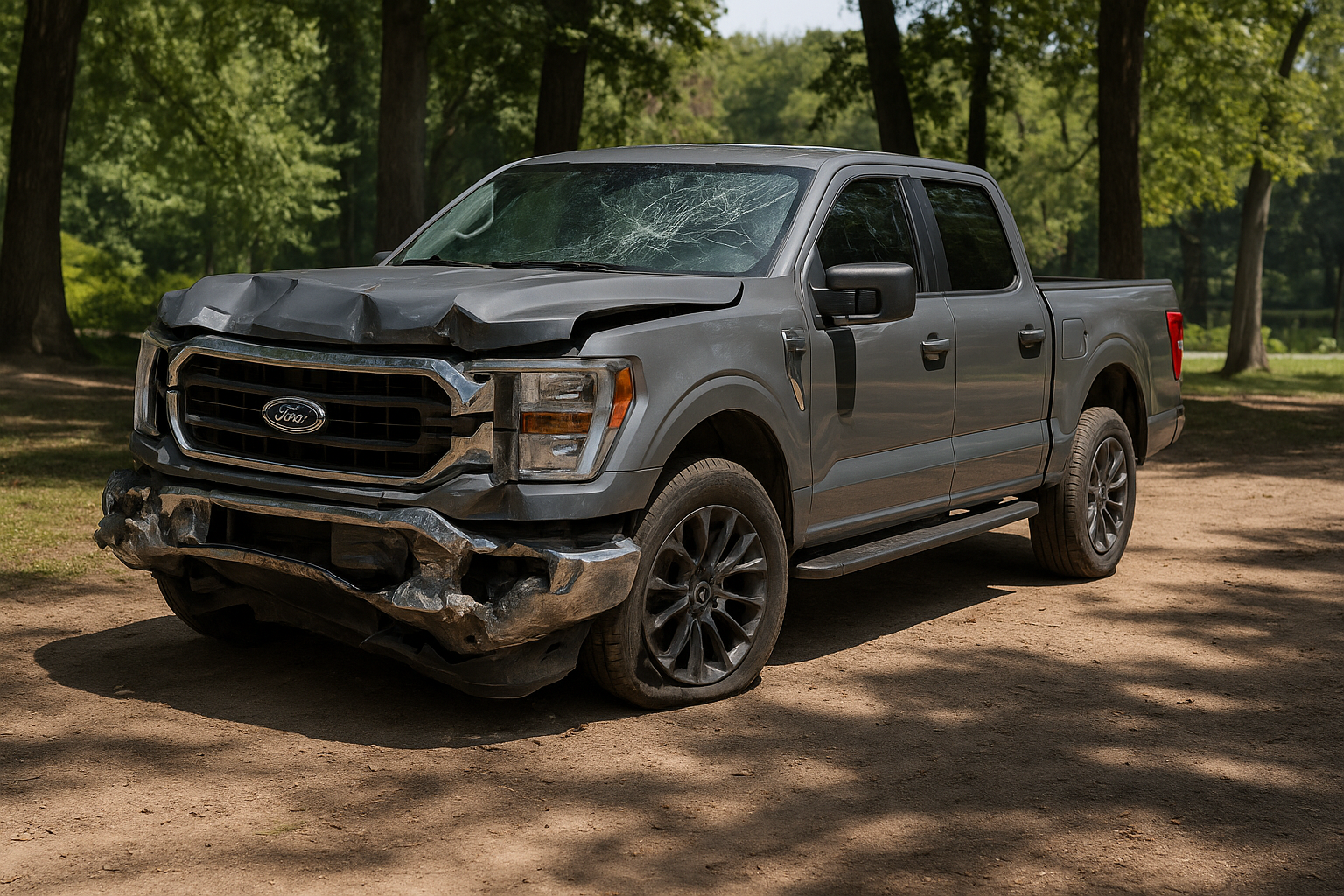
A hit and run conviction in Oregon triggers a mandatory 3-year SR-22 requirement and an immediate license suspension — but your filing period and reinstatement timeline differ sharply depending on whether you stayed at the scene of a property-only crash or left an injury accident.
Oregon Splits Hit and Run Into Two SR-22 Categories
Oregon law separates hit and run into two distinct violation classes: failure to perform duties at a property damage accident (ORS 811.700) and failure to perform duties at an injury or fatal accident (ORS 811.705). Both trigger SR-22 filing requirements, but the first is a Class B traffic violation while the second is a criminal misdemeanor. The difference matters for your filing period and license restoration timeline.
A property-only hit and run typically results in a 1-year license suspension and a 3-year SR-22 requirement starting from the date you file proof of insurance with Oregon DMV. If you left the scene of an injury accident, you face a minimum 1-year suspension, potential jail time, and an SR-22 period that begins only after the court resolves your case — often pushing your total filing window to 4 or 5 years when you account for court delays and the mandatory 3-year period that follows conviction.
Oregon DMV does not automatically restore your license after a hit and run suspension. You must pay a $75 reinstatement fee, provide SR-22 proof of insurance, and in many cases complete a driver improvement course before you can legally drive again. If your hit and run involved injury or a BAC over 0.08, you will also need to show proof of an ignition interlock device installation before reinstatement. Oregon SR-22 requirements
How Hit and Run Convictions Affect Your Insurance Rates
A hit and run conviction in Oregon marks you as a high-risk driver, and SR-22 carriers price accordingly. Drivers with a hit and run on record typically see rate increases between 60% and 110% compared to their pre-violation premium, with the exact multiplier depending on whether the incident involved injury, whether alcohol was a factor, and how many prior violations appear on your motor vehicle record.
If your hit and run involved property damage only and you have no other violations, you may find coverage with non-standard carriers like Progressive, Dairyland, or Bristol West at monthly premiums between $180 and $280 for state minimum liability. If your conviction includes injury or alcohol involvement, expect quoted premiums closer to $300–$450 per month for the same coverage limits, and fewer carriers willing to write the policy.
Oregon requires minimum liability limits of 25/50/20 — $25,000 per person for injury, $50,000 per accident for injury, and $20,000 for property damage. Most SR-22 filers carry exactly these minimums to reduce premium cost during the filing period. Your rates will begin dropping after your first year without a new violation, with the most significant reduction occurring once the hit and run conviction ages past the 3-year mark and your SR-22 requirement ends. non-standard auto insurance
SR-22 Filing Requirements and Timeline in Oregon
Oregon DMV requires continuous SR-22 coverage for 3 years from the date you first file, not from the date of the violation or conviction. If your license was suspended for 1 year and you waited 6 months before filing SR-22, your total period without full driving privileges stretches to 3.5 years — the suspension year plus the 3-year filing requirement.
Your SR-22 must remain active and uninterrupted. If your insurer cancels your policy or you let it lapse for any reason, they notify Oregon DMV within 10 days, and DMV immediately suspends your license again. Reinstatement after an SR-22 lapse requires a new $75 fee, proof of SR-22 coverage, and the filing clock resets to zero — you start a new 3-year period from the date of reinstatement.
The SR-22 itself costs $25 to $50 as a one-time filing fee paid to your insurer, who submits the form electronically to Oregon DMV. This is separate from your premium. Most carriers include the filing fee in your first month's payment, but some charge it upfront before binding coverage. Once your 3-year period ends without lapses or new violations, your insurer can remove the SR-22 endorsement, and you can shop for standard coverage if your record is otherwise clean.
Which Carriers Write SR-22 After Hit and Run in Oregon
Not all insurers write SR-22 policies for hit and run convictions in Oregon, and availability narrows further if your violation includes injury or alcohol involvement. Progressive, Dairyland, and Bristol West are the three most consistent non-standard carriers for Oregon SR-22 filers with hit and run on record. State Farm and Farmers occasionally write policies for property-only incidents if you were previously insured with them and have no other major violations.
If your hit and run involved injury, expect to rely entirely on non-standard or assigned-risk carriers. Oregon does not operate a formal assigned-risk pool, but the state's shared market program places drivers who cannot find voluntary coverage with participating insurers who are required to accept a quota of high-risk policies. Assigned-risk premiums typically run 20% to 40% higher than voluntary non-standard market rates.
You should quote with at least three carriers before binding coverage. SR-22 rate differences between carriers often exceed $100 per month for identical coverage limits, especially if your conviction is recent. Many Oregon SR-22 filers find the lowest premiums by bundling minimum liability with a non-owner SR-22 policy if they do not own a vehicle — non-owner policies satisfy the SR-22 requirement and typically cost 30% to 50% less than standard auto liability.
Reinstatement Steps After Hit and Run Suspension
Oregon DMV will not reinstate your license until you complete every requirement tied to your hit and run conviction. Start by confirming your eligibility date — this is the date your suspension period ends, which you can verify by calling Oregon DMV at 503-945-5000 or checking your suspension notice. You cannot reinstate early, even if you have already secured SR-22 coverage.
Once eligible, you must pay the $75 reinstatement fee, provide proof of SR-22 insurance filed with Oregon DMV, and in most cases complete a driver improvement course or substance abuse evaluation if the court ordered one as part of your conviction. If your hit and run involved injury or a BAC over 0.08, you will also need proof of ignition interlock device installation before DMV will process your reinstatement.
After reinstatement, your license remains valid only as long as your SR-22 stays active. Any lapse in coverage triggers an immediate suspension, and you start the process over. Most Oregon SR-22 filers set up automatic monthly payments and request email alerts from their carrier to avoid accidental lapses. If you move out of state during your filing period, your SR-22 requirement follows you — you must notify your carrier of the address change and confirm they can file SR-22 in your new state, or find a new carrier licensed there.
How Long Hit and Run Stays on Your Oregon Record
A hit and run conviction remains on your Oregon driving record permanently, but its impact on your insurance rates diminishes significantly after 3 years and becomes nearly negligible after 5 years. Oregon DMV includes all convictions in your official motor vehicle record, but most insurers only rate violations that occurred within the past 3 to 5 years when calculating premiums.
Your SR-22 requirement ends after 3 consecutive years without a lapse, but the conviction itself does not disappear. If you apply for a commercial driver's license, professional driving job, or out-of-state license transfer, the hit and run will appear on your record indefinitely. Oregon does not allow expungement of traffic convictions, even after decades.
Once your SR-22 period ends and the conviction ages past 5 years, you should see your rates drop to near-standard levels if you have maintained continuous coverage and avoided new violations. At that point, many Oregon drivers can move from non-standard carriers like Dairyland or Bristol West to standard carriers like State Farm or GEICO, often cutting their premium by 40% to 60% for identical coverage limits. compare high-risk quotes