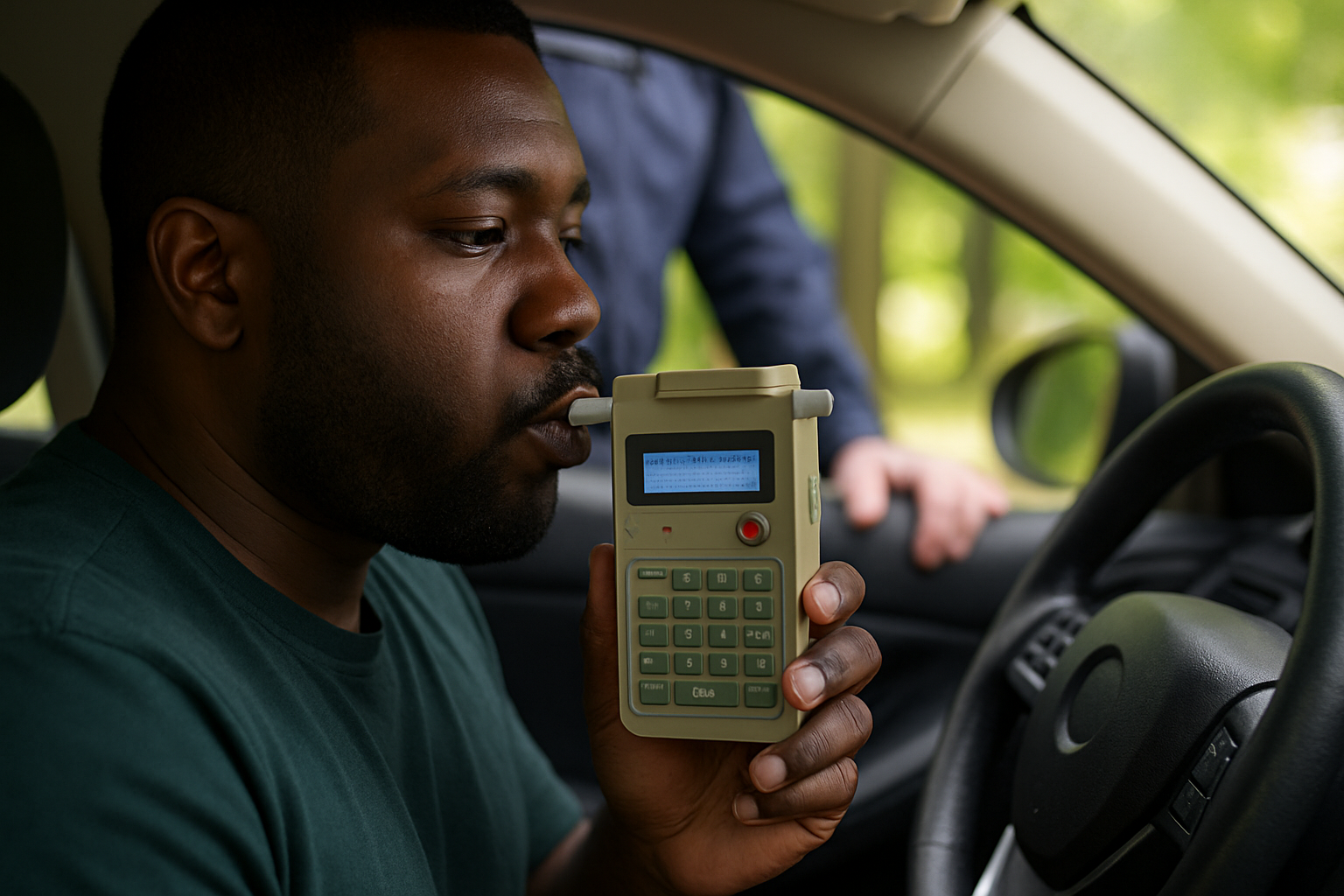
After a DUI in Hamilton, you'll need SR-22 filing through a non-standard carrier. Most drivers pay $1,200–$2,400/year for minimum liability — here's what triggers the requirement, how long you'll carry it, and which carriers write policies in Butler County.
What Triggers SR-22 Filing After a Hamilton DUI
A DUI conviction in Hamilton triggers an automatic license suspension through the Ohio Bureau of Motor Vehicles and a separate administrative suspension through the court. The BMV requires SR-22 filing to reinstate your license after the suspension period ends — typically 6 months for a first offense, 1 year for a second offense within 6 years, and 2–10 years for third or subsequent offenses. The court may also require SR-22 as a condition of limited driving privileges during your suspension, which means you may need to file before your full reinstatement date if you want to drive to work, school, or medical appointments.
The SR-22 itself is not insurance — it's a certificate filed by your insurer directly with the Ohio BMV confirming you carry at least state minimum liability coverage: 25/50/25 ($25,000 bodily injury per person, $50,000 per accident, $25,000 property damage). The BMV charges a $40 reinstatement fee and most insurers charge a one-time SR-22 filing fee of $15–$50. The real cost is the premium increase: DUI drivers in Ohio typically see rates rise 80–150% compared to standard profiles, pushing annual premiums from an average of $800 for clean-record drivers to $1,440–$2,000 or more.
If you were driving without insurance at the time of your DUI, the BMV may also impose a separate license suspension for failure to maintain proof of financial responsibility, adding 90 days to your total suspension period and requiring continuous SR-22 coverage for up to 5 years. This stacks with the DUI suspension and filing requirement, which is why some Hamilton drivers end up with multi-year SR-22 obligations even on a first offense. SR-22 insurance requirements in Ohio
How Long You'll Carry SR-22 in Ohio After a DUI
Ohio law requires 5 years of continuous SR-22 filing after a DUI conviction, starting from the date your license is reinstated — not the date of conviction or arrest. If your license was suspended for 6 months, your 5-year SR-22 clock doesn't begin until that suspension ends and you file proof of insurance with the BMV. Any lapse in coverage during the 5-year period resets the clock to day one, which means if you let your policy cancel in year 4, you owe 5 more years from the date you refile.
If you were granted limited driving privileges during your suspension, the court may require SR-22 filing during that period as well. This filing satisfies the same requirement — you don't need two separate SR-22 certificates — but you must maintain it continuously from the date privileges are granted through the end of your 5-year post-reinstatement period. Many drivers assume the court-ordered SR-22 expires when their full license is restored, but the BMV's 5-year requirement runs independently and continues until the full term is satisfied.
The 5-year period applies to all DUI offenses in Ohio, whether first, second, or third. Drivers with multiple DUIs don't face longer SR-22 terms, but they do face longer license suspensions before reinstatement and significantly higher insurance premiums. If you move out of Ohio during your SR-22 period, you must maintain continuous coverage and file SR-22 in your new state if required, or risk suspension of your Ohio driving privileges even if you no longer live there.
What SR-22 Insurance Costs in Hamilton After a DUI
Non-standard carriers writing SR-22 policies in Butler County typically quote $100–$200/month for state minimum liability coverage after a DUI, depending on your age, gender, zip code, and how long ago the conviction occurred. Drivers under 25 or with multiple violations often see quotes above $250/month. These rates reflect the carrier's assessment of risk based on your driving record, not the SR-22 filing itself — the filing fee is usually a one-time charge of $15–$50, but the DUI is what drives the premium.
Carriers available to Hamilton drivers with DUI convictions include regional non-standard insurers and a few national carriers with high-risk divisions. Not all carriers write SR-22 policies in Ohio, and many standard carriers will non-renew your policy after a DUI conviction even if you've been with them for years. Shopping multiple non-standard carriers is the only way to find the lowest available rate — quotes can vary by $500–$1,000/year for the same coverage and driver profile.
Rates typically drop 10–20% per year as time passes from the conviction date, assuming no new violations. By year 3, most drivers see premiums fall to $80–$120/month, and by year 5 — when the SR-22 requirement ends — some drivers can return to standard carriers if their record is otherwise clean. Adding comprehensive and collision coverage to a financed or leased vehicle will roughly double your premium, so many drivers with SR-22 requirements carry liability-only policies on older vehicles to keep costs manageable during the filing period.
Which Carriers Write SR-22 Policies in Hamilton
Most drivers with a DUI need to move to a non-standard carrier that specializes in high-risk policies. Standard carriers like State Farm, Nationwide, and Progressive may non-renew your policy at the end of your current term once the DUI conviction appears on your motor vehicle record, typically 30–90 days after your court date. A few large carriers maintain high-risk divisions that will file SR-22, but they're not obligated to keep you as a customer after a major conviction.
Non-standard carriers operating in Ohio and Butler County include regional insurers that focus exclusively on drivers with violations, suspensions, and SR-22 requirements. These carriers often offer monthly payment plans and immediate SR-22 filing, which is critical if you're close to a court deadline or reinstatement date. Availability varies by zip code — some carriers write policies in Hamilton but not in smaller Butler County cities, and some require you to purchase through a specific broker or agency rather than direct.
Working with an independent agent who specializes in high-risk insurance is usually the fastest way to get multiple quotes. Captive agents representing a single carrier can only offer that carrier's rates, which may or may not be competitive for DUI drivers. Online comparison tools that include non-standard carriers can also surface options, but not all non-standard insurers participate in aggregator platforms, so expect to contact 3–5 carriers or brokers directly to find your lowest rate. non-standard auto insurance
How to Get Your License Reinstated in Hamilton After DUI
Reinstatement after a DUI in Ohio requires completing your full suspension period, paying the BMV reinstatement fee, and filing SR-22 proof of insurance. For a first offense, the suspension is typically 6 months from the date of conviction or administrative license suspension (ALS) — whichever comes first. The BMV will mail a reinstatement notice near the end of your suspension period, but it's your responsibility to file SR-22 and pay the fee by the eligibility date or your suspension continues indefinitely.
If you want limited driving privileges during your suspension, you must petition the Hamilton Municipal Court or Butler County Common Pleas Court (depending on where your case was heard) and show proof of SR-22 insurance at the hearing. Judges typically grant privileges 15–45 days after sentencing if you've enrolled in a certified remedial driving course and installed an ignition interlock device on your vehicle. The interlock requirement is mandatory for all DUI offenders in Ohio, even first-time offenders, and lasts a minimum of 6 months or longer depending on your BAC level and prior offenses.
Once your full suspension ends, you must take your SR-22 certificate, reinstatement fee payment receipt, proof of interlock removal (if applicable), and valid ID to a deputy registrar license agency in Butler County to apply for reinstatement. The BMV does not automatically restore your license — you must appear in person. If you have unpaid court fines, child support arrears, or outstanding tickets, the BMV will deny reinstatement until those issues are resolved, even if your suspension period is complete.
What Happens If Your SR-22 Lapses in Ohio
If your insurer cancels your policy or you fail to renew it during your 5-year SR-22 period, the carrier is required by Ohio law to notify the BMV within 15 days. The BMV will then suspend your license immediately — no grace period, no warning letter — and you'll remain suspended until you refile SR-22 with a new carrier and pay a new reinstatement fee. The lapse also resets your 5-year SR-22 clock to day one, meaning you owe 5 full years from the date you refile, not from the date of your original conviction.
Most lapses happen because drivers miss a payment and the policy cancels for non-payment, or because they switch carriers but the new policy doesn't include SR-22 filing. If you switch insurers, confirm in writing that the new carrier will file SR-22 with the Ohio BMV before you cancel your old policy. Even a single day without active SR-22 coverage on file counts as a lapse and triggers suspension.
Reinstating after a lapse requires the same process as the original reinstatement: purchase a new SR-22 policy, pay the $40 reinstatement fee, and visit a deputy registrar in person. Some drivers face multiple lapses during the 5-year period, which can stretch their total SR-22 obligation to 8 or 10 years if they're not careful about maintaining continuous coverage. Set up automatic payments and renewal reminders with your carrier to avoid this — a lapsed SR-22 is one of the costliest administrative mistakes a high-risk driver can make. compare high-risk quotes